



Wagner’s complete Ring Cycle
Испытайте эпическую сагу из четырех частей так, как задумал композитор: вживую и полностью!
Уникальное событие в Цюрихском оперном театре, признанное как «драматическое музыкальное исполнение в его лучшем виде» (Bachtrack).
Discover Wagner's grand operatic universe and epic four-part saga...
The characters
Meet the heroes, gods, and villains of Wagner’s epic Ring cycle
The Gods

Wotan
King of the gods, known also as Der Wanderer
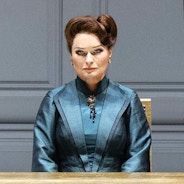
Fricka
Wotan’s wife, goddess of marriage
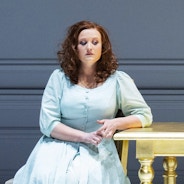
Freia
Fricka’s sister, goddess of youth and beauty
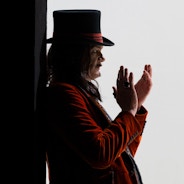
Loge
God of fire

Donner and Froh
God of thunder, and God of spring and sunshine
The Demigods

Brünnhilde
Wotan’s favorite daughter, leader of the Valkyries

The Valkyries
Wotan’s immortal daughters, amazons who aid heroes on their quests

The Rhinemaidens
mermaid-like creatures who dwell in the Rhine River and guard the Rhine gold

The Norns
Erda’s daughters, they see the past, the present, and the future, weaving the Rope of Destiny
The Mortals

Siegmund
Wotan’s son with a mortal woman, and twin brother of Sieglinde

Sieglinde
Wotan's daughter with a mortal woman, and twin sister of Siegmund

Hunding
Sieglinde’s husband, the leader of an enemy clan

Siegfried
Siegmund and Sieglinde’s son, “the one that does not know fear”

Gunther
King of the Gibichungs

Gutrune
Gunther’s sister

Hagen
Gunther and Gutrune’s half-brother and advisor (also: Alberich’s son!)
Other Creatures

Alberich
Nibelung dwarf who steals the Rhine gold

Mime
Nibelung dwarf, Alberich brother and Siegfried’s foster father
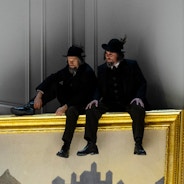
Fasolt and Fafner
Giants hired by Wotan to build the God’s fortress Valhalla (Fafner is also a dragon!)

The Woodbird
Sings to Siegfried about Brünnhilde sleeping on the top of a mountain
An egomaniac? A genius? Just an uncommonly ambitious artist? As well as writing the full text of each libretto for the four operas in his Ring cycle, Wagner outdid himself as a composer when crafting its sublime music. Here’s how:

Чтобы описать сцены и персонажей с максимальной точностью, Вагнер иногда добавлял инструменты, которые обычно не встречаются в симфоническом составе. Еще до того, как Чайковский написал часть своей Увертюры 1812 года для настоящих пушек, Вагнер использовал 18 настоящих наковален в Золоте Рейна. (Вы можете услышать их в завораживающем переходе от Сцены II к Сцене III во время спуска в Нибельхейм, своего рода подземный мир, населенный гномами, порабощенными в качестве кузнецов.) Но это еще не все! Для Вагнера, чтобы изобразить крепость богов, известную как Вальхалла, ни один из инструментов его времени не подходил точно — поэтому он обратился к Адольфу Саксу, создателю саксофона, чтобы заказать гибрид валторны и тромбона, известный сегодня как вагнеровская туба! Этот инструмент позже использовался другими композиторами, такими как Брукнер, но впервые он запомнился в небесных нотах в начале Сцены II Золота Рейна.