



瓦格纳完整的《指环》周期
Experience the entire, epic four-opera saga 150 years after its premiere!
A magnificent Zürich Opera House staging described by Bachtrack as “dramatic music-making at its finest"
探索瓦格纳宏大的歌剧世界和史诗般的四部曲传奇……
角色介绍
认识瓦格纳史诗《指环》中的英雄、神祇与反派
众神

沃坦
众神之王,也称为“流浪者”
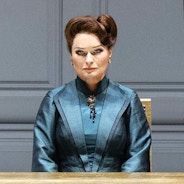
弗丽卡
沃坦的妻子,婚姻女神
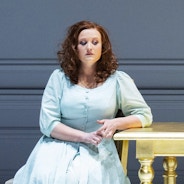
弗蕾亚
弗丽卡的妹妹,青春与美丽女神
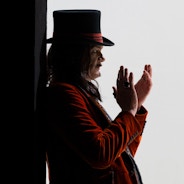
洛格
火神

唐纳和弗罗
雷神,以及春天和阳光之神
半神

布伦希尔德
沃坦最喜爱的女儿,女武神的领袖

女武神
沃坦的不朽女儿,亚马逊女战士,协助英雄完成任务

莱茵少女
居住在莱茵河中、守护莱茵黄金的美人鱼般的生物

诺恩女神
埃尔达的女儿们,她们能看见过去、现在和未来,编织命运之绳
凡人

西格蒙德
沃坦与凡人女子的儿子,西格琳德的孪生兄弟

西格琳德
沃坦与凡人女子的女儿,西格蒙德的孪生妹妹

亨丁
西格琳德的丈夫,敌对氏族的首领

齐格弗里德
西格蒙德和西格琳德的儿子,“那个不知恐惧的人”

冈瑟
吉比琼王

古特鲁内
冈瑟的妹妹

哈根
冈瑟和古特鲁内的同父异母兄弟及顾问(也是:阿尔贝里希的儿子!)
其他生物

阿尔贝里希
偷窃莱茵黄金的尼伯龙根矮人

迈姆
尼伯龙根矮人,阿尔贝里希的兄弟,齐格弗里德的养父
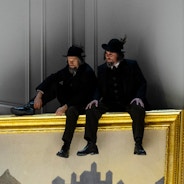
法索尔特和法夫纳
沃坦雇佣的巨人,建造众神的堡垒瓦尔哈拉(法夫纳也是一条龙!)

森林之鸟
向齐格弗里德唱述布伦希尔德睡在山顶的故事
一个自负狂?天才?还是一个非凡雄心勃勃的艺术家?瓦格纳不仅为他的《指环》四部歌剧撰写了完整的剧本,还在创作其崇高的音乐时超越了自我。以下是详情:

In order to describe scenes and characters with as much precision as possible, Wagner sometimes added instruments not typically found in a symphonic formation. Even before Tchaikovsky scored part of his 1812 Overture for actual cannons, Wagner called for 18 real anvils in Das Rheingold. (You can hear them in the haunting transition from Scene II to Scene III during the descent into the Nibelheim, a sort of underworld inhabited by dwarfs enslaved as blacksmiths.) \n\nBut that’s not all! For Wagner, in order to depict the fortress of the gods known as Valhalla, none of the instruments of his time seemed to fit the bill exactly — so he went to Adolphe Sax, the creator of the saxophone, to commission a tuba-like horn/trombone hybrid known today as the Wagner tuba! The instrument was later used by other composers like Bruckner, but it made its first memorable appearance in the heavenly notes at the beginning of Das Rheingold’s Scene II.