The world’s most astounding voices are all on medici.tv
Celebrate World Voice Day with 30% off



Thursday, April 18, 2024 8:00 AM
2024 Nicolai Malko Competition: Round 3
With the Danish National Symphony Orchestra
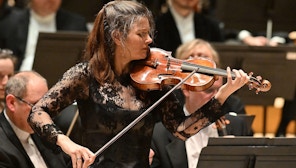

Thursday, April 18, 2024 6:00 PM
Sir Antonio Pappano conducts Lili Boulanger, Barber, and Rachmaninov — With Janine Jansen
London Symphony Orchestra

Saturday, April 20, 2024 4:30 PM
2024 Nicolai Malko Competition: Finals
With the Danish National Symphony Orchestra

Thursday, April 25, 2024 5:30 PM
Verdi's Un ballo in maschera
Rafael R. Villalobos (stage director), Antonino Fogliani (conductor) — With Francesco Meli (Riccardo), Anna Pirozzi (Amelia), Franco Vassallo (Renato) …
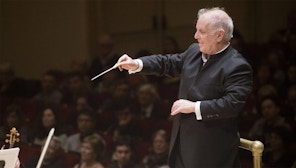
Wednesday, May 1, 2024 9:00 AM
The 2024 Berliner Philharmoniker Europakonzert with Daniel Barenboim and Lisa Batiashvili
Schubert, Brahms, and Beethoven in Tsinandali, Georgia
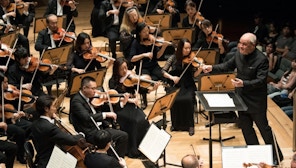
Friday, May 3, 2024 11:30 AM
Hans Graf conducts Tchaikovsky and Prokofiev — With Benjamin Schmid
Singapore Symphony Orchestra
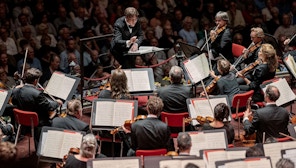
Friday, May 3, 2024 6:15 PM
Klaus Mäkelä conducts Bruckner's Symphony No. 5
Royal Concertgebouw Orchestra
Saturday, May 11, 2024 6:00 PM
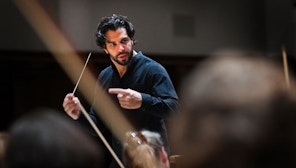
Domingo Hindoyan conducts Roussel, Alberga, and Shostakovich — With Alim Beisembayev
Royal Liverpool Philharmonic Orchestra


